Packaging and Labeling Guide for Products
Have you ever picked up a product because the packaging looked professional and the label instantly gave you confidence in the brand? Before customers even try a product, the packaging and label already shape their first impression. That’s why packaging and labeling play a major role in branding, compliance, customer trust, and purchasing decisions.
From food products and cosmetics to pharmaceuticals and ecommerce products, businesses across the USA rely on effective labeling to protect products, communicate important information, and improve shelf appeal. Good packaging is not just about appearance — it also helps businesses meet FDA requirements, labeling regulations, and consumer protection standards.
In this guide, we’ll explain what custom packaging means, explore different packaging and label types, discuss legal requirements in the USA, and share best practices for creating packaging that is both compliant and visually effective.
Key Takeaways
- Packaging and labeling help businesses protect products, improve branding, and communicate important information to customers.
- Different packaging levels — primary, secondary, and tertiary — serve different purposes in storage, shipping, and retail presentation.
- Labels are important for compliance, product identification, safety information, and marketing.
- FDA, FTC, and FPLA regulations affect many product categories in the USA.
- Strong packaging and label design can improve customer trust, shelf visibility, and purchase decisions.
- Sustainable packaging and clear labeling are becoming increasingly important for modern consumers.
What Is Packaging and Labeling?
The term refers to the process of designing, protecting, identifying, and presenting products for storage, transportation, marketing, and consumer use.
Packaging focuses on:
- Product protection
- Storage
- Shipping
- Product presentation
Labeling focuses on:
- Product information
- Ingredients
- Compliance
- Instructions
- Branding
- Consumer communication
Together, labeling and packaging help businesses improve customer experience while meeting legal and regulatory requirements.
Types of Packaging
Primary Packaging
Primary packaging is the packaging that directly contains the product. Examples include food wrappers, cosmetic containers, bottles, jars, and pharmaceutical blister packs. This packaging is important for product protection, hygiene, and direct customer interaction.
Secondary Packaging
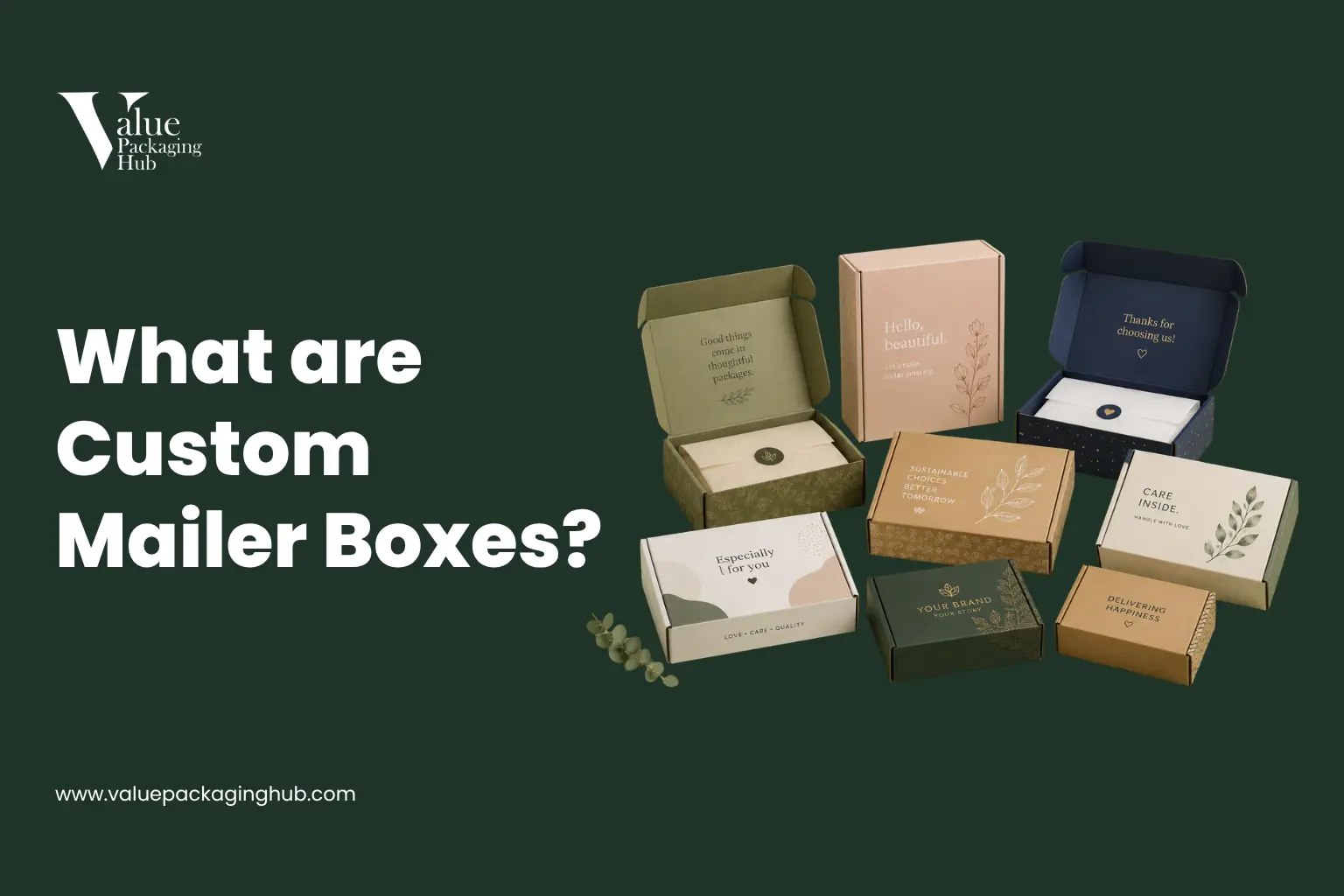
Secondary packaging groups primary packaged products together for branding, display, or retail purposes. Examples include branded product boxes, cardboard packaging, and retail cartons. Many businesses use custom secondary packaging to improve shelf appeal and brand recognition.
Tertiary Packaging
Tertiary packaging is used for bulk transportation and shipping. Shipping cartons, pallets, shrink wraps, and corrugated shipping boxes fall into this category. This packaging helps protect products during logistics and warehouse handling.
Types of Labels
Based on Function
Different labels serve different purposes, including:
- Informational labels
- Warning labels
- Ingredient labels
- Barcode labels
- Branding labels
- Compliance labels
For example, food labels often include nutritional information and FDA compliance details.
Based on Placement and Application
Labels may be:
- Pressure-sensitive labels
- Sleeve labels
- Wrap-around labels
- Adhesive stickers
- Hanging tags
The application method depends on the product type and packaging design.
Based on Technology
Modern labeling technologies include:
- QR code labels
- RFID labels
- Smart labels
- Thermal labels
- Digital printed labels
Many ecommerce and retail businesses now use smart labeling solutions for tracking and customer engagement.
Benefits of Packaging and Labels
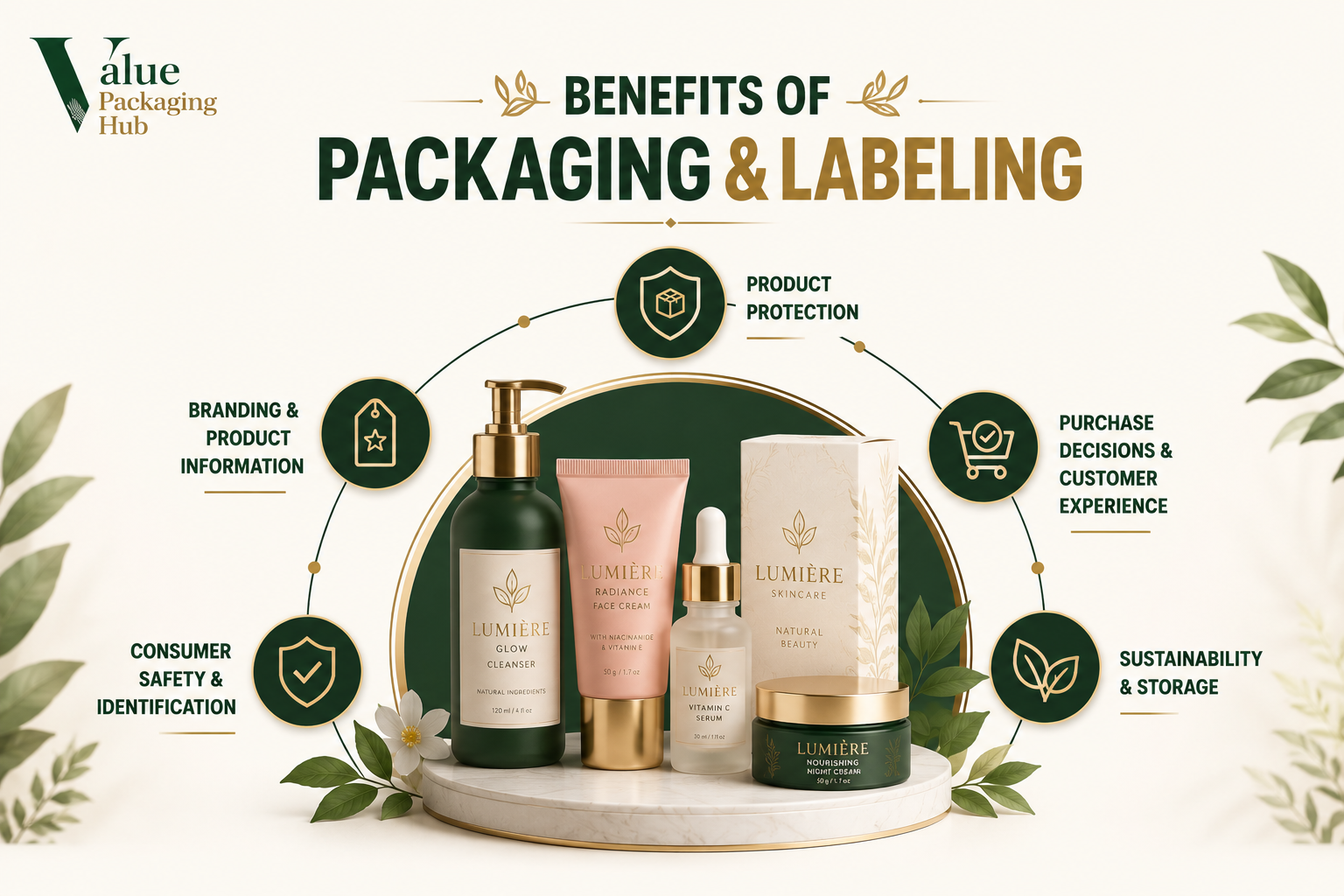
Product Protection
Proper packaging protects products from moisture, contamination, physical damage, and environmental exposure during shipping and storage. Industries such as pharmaceuticals, cosmetics, electronics, and food products rely heavily on secure packaging systems.
Branding and Product Information
Packaging and labels communicate important product information while reinforcing brand identity. Logos, colors, typography, and label design all help customers recognize products more easily. Strong product label design can also improve shelf visibility and customer recall.
Consumer Safety and Identification
Labels help customers identify products quickly and safely. Important details such as ingredients, expiration dates, usage instructions, allergens, and warnings are essential for compliance and consumer protection.
Purchase Decisions and Customer Experience
Packaging heavily influences customer buying behavior. Professional packaging and clear labels make products feel more trustworthy and premium. Attractive packaging also improves unboxing experiences for ecommerce brands.
Sustainability and Storage
Sustainable packaging materials and recyclable labels help businesses reduce environmental impact while improving storage efficiency and shipping optimization.
Design Elements
Colors
Colors influence customer emotions and purchasing behavior. Bright colors may attract attention, while minimalist packaging often uses neutral tones for a premium appearance.
Fonts
Readable typography is critical for packaging and label clarity. Customers should be able to quickly understand product information without confusion.
Logo
A strong logo improves brand recognition and helps products stand out on shelves and online marketplaces.
Clarity and Readability
Clear label layouts, proper spacing, and organized information improve customer trust and compliance with labeling regulations.
How to Choose the Right Packaging Design & Labels
Product Type
Different products require different packaging materials and labeling systems. Food packaging, cosmetic packaging, and pharmaceutical packaging each have unique compliance and protection requirements.
Target Audience
Packaging should align with customer preferences, demographics, and brand positioning. Luxury brands, eco-conscious brands, and children’s products all require different packaging approaches.
Packaging Functionality
Good packaging balances appearance with practicality. Packaging should protect products while remaining easy to store, display, transport, and open.
Sustainability Considerations
Many businesses now prioritize recyclable packaging, eco-friendly materials, and sustainable labeling solutions to meet customer expectations and environmental goals.
Legal Requirements and Regulations
Fair Packaging and Labeling Act (FPLA)
The Federal Trade Commission FPLA helps ensure consumers receive accurate product information regarding identity, quantity, and manufacturer details.
The law applies to many consumer goods sold in the USA.
FDA Requirements
The U.S. Food and Drug Administration regulates packaging as well as labeling requirements for food products, cosmetics, pharmaceuticals, medical devices, and dietary supplements.
FDA labels may require:
- Ingredient lists
- Nutritional information
- Warnings
- Expiry dates
- Usage instructions
FTC Labeling Requirements
The Federal Trade Commission oversees advertising and marketing claims to ensure labels are truthful and not misleading. Businesses making false claims on packaging can face legal penalties and product recalls.
Role of Custom Packaging in Marketing
Brand Recognition
Customized packaging and consistent labeling help customers recognize products instantly. Strong branding improves trust and long-term customer loyalty.
Consumer Decision-Making
Packaging influences buying decisions both online and in retail stores. Customers often judge product quality based on packaging appearance.
Building Consumer Trust
Clear and transparent labeling builds credibility and reassures customers about product quality, ingredients, and safety.
Best Practices
Consistent Branding
Use consistent colors, typography, logos, and design elements across all product packaging to strengthen brand identity.
Informative Labeling
Labels should clearly communicate:
- Product details
- Instructions
- Ingredients
- Warnings
- Certifications
- Compliance information
Sustainable Packaging
Eco-friendly sustainable packaging materials and recyclable labels help businesses improve sustainability while appealing to environmentally conscious customers.
Testing and Compliance
Before launching products, businesses should test packaging durability, print quality, barcode readability, and regulatory compliance.
Conclusion
Effective packaging and labeling do far more than protect products. They help businesses improve branding, build customer trust, meet legal requirements, and influence purchasing decisions.
Whether you sell food products, cosmetics, ecommerce products, pharmaceuticals, or retail goods, investing in professional packaging and compliant labeling can improve customer experience while helping your products stand out in competitive markets.
As customer expectations continue evolving, businesses that prioritize clear labeling, premium packaging design, and sustainable solutions will be better positioned for long-term growth and stronger brand recognition.
Whether you need retail packaging, custom labels, sustainable packaging, or branded ecommerce packaging, Value Packaging Hub helps businesses create packaging solutions that combine compliance, protection, and strong visual branding.
Frequently Asked Questions
Do all products in the USA require packaging labels?
Most consumer products sold in the USA require some form of labeling, especially food, cosmetics, pharmaceuticals, supplements, and retail products regulated by the FDA or FTC.
What is the difference between labeling and packaging in the USA?
Packaging refers to the physical container or wrapping used to protect and present products, while labeling refers to the printed information, branding, warnings, and instructions displayed on the packaging.
Can incorrect labeling lead to product recalls in the USA?
Yes. Incorrect or misleading labels can result in legal penalties, compliance violations, customer safety risks, and product recalls, particularly in food and pharmaceutical industries.
Can I use stickers instead of printed packaging labels?
Yes. Many small businesses and ecommerce brands use custom sticker labels instead of direct printed packaging, especially for flexible packaging and short production runs.
Why is labeling important for branding?
Professional packaging and labels help businesses improve customer trust, create stronger first impressions, increase brand recognition, and influence purchasing decisions.